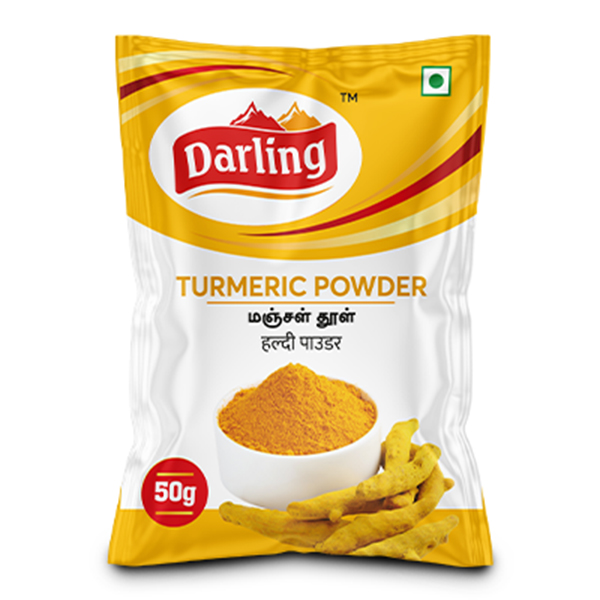
 Pure Spices
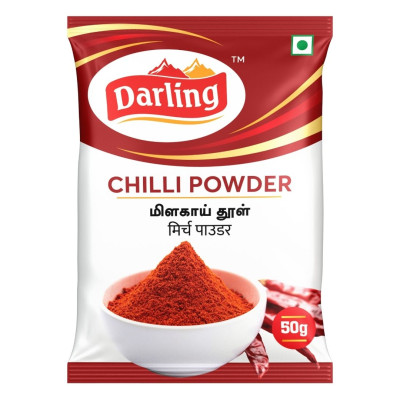
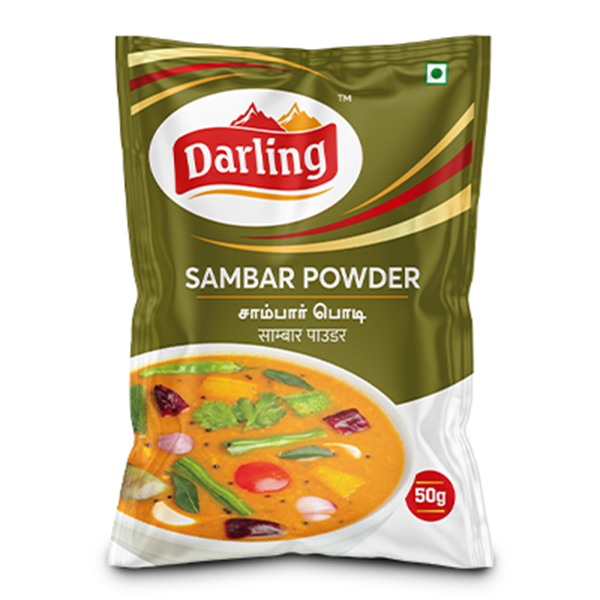 Blended Spices
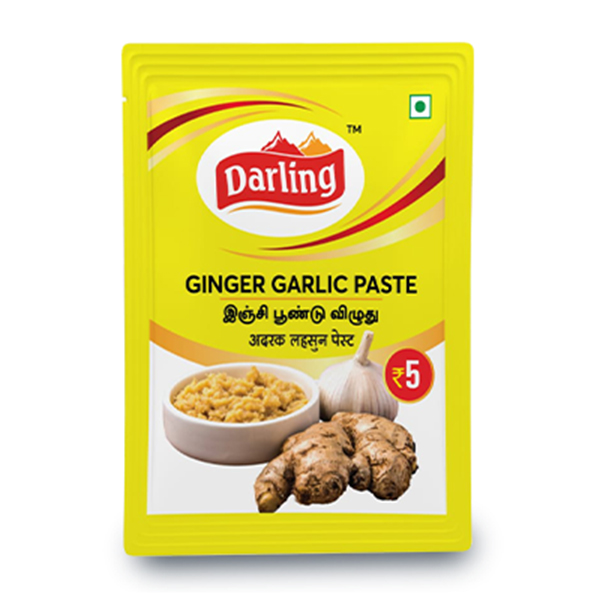 Ginger Garlic Paste
 Meal Mix
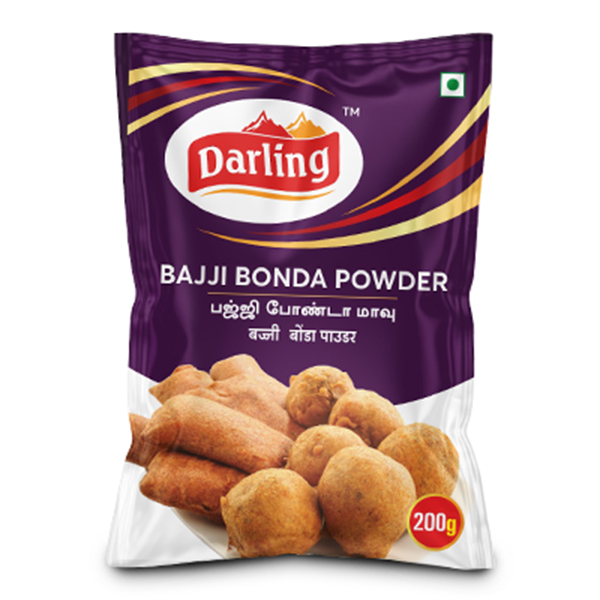 Ready Mix
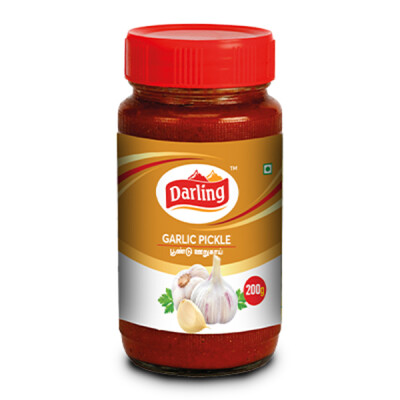
 Pickles
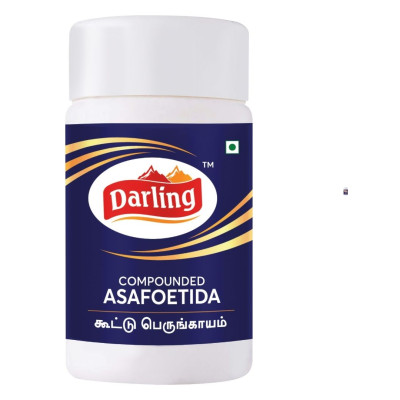
 Asafoetida Powder
 Flour
Flour
 Appalam
 Mixed Jam







Recipes
The Role of Spices in Indian Festive Cooking: Recipes and Traditions
 By System Admin
1 month ago
By System Admin
1 month ago
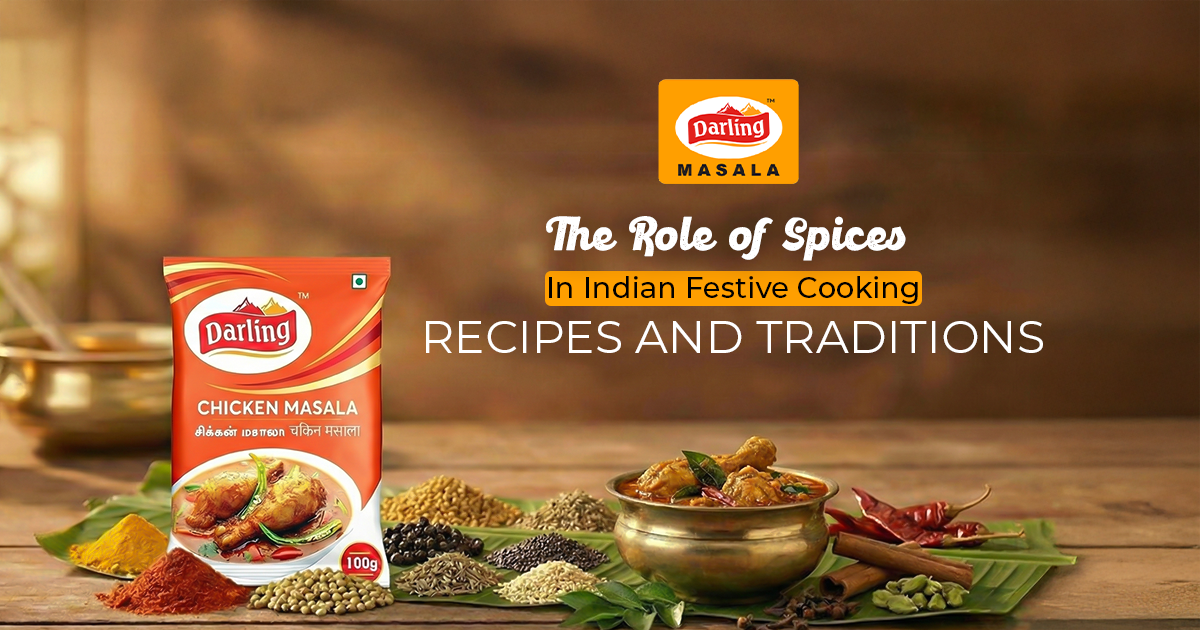
Indian festivals often begin long before the first lamp is lit. They begin when the first mustard seeds splutter in hot oil, when the smell of ghee and cardamom drifts through the house, and when someone in the family calls out from the kitchen, “Taste the sambar once more.”
For many South Indian homes, that scene repeats itself for Pongal, Tamil New Year, Navaratri, Deepavali, Onam, Vishu, and family functions in between. Spices are not just decoration. They decide how the festival will feel, how heavy or light the meal will sit in the stomach, and how clearly we remember that day years later.
Why Spices Matter So Much In Indian Festive Cooking
Across India, festive menus are richer, sweeter, and often heavier than everyday food. Spices hold that whole spread together. They do four important jobs:
- Flavour and Aroma
Spices turn simple rice, lentils, and vegetables into something worth celebrating. Pepper, cumin, hing, and curry leaves in a Pongal “kattchi” or tadka can make the whole street smell like the festival has begun. - Ritual and Symbolism
Turmeric and kumkum are kept with lamps. Panchamrit for puja carries cardamom and sometimes pepper. Certain spices are offered first to the deity before they reach the dining leaf. - Digestion and Health
Heavy sweets, deep-fried snacks, and generous amounts of ghee can tire the body. Hing, pepper, ginger, cumin, and ajwain are used across Indian cooking to support digestion and reduce gas and bloating. - Memory and Mood
Many of us can recognize a festival dish with eyes closed, only from the smell of roasting fenugreek or the first hint of cardamom in payasam. That memory is also a form of tradition.
In other words, spices in Indian festive recipes are not an afterthought. They decide whether a Deepavali murukku tastes like home or like something from a random packet, whether Pongal ven pongal feels comforting or flat, whether payasam feels complete or “something is missing.”
Essential Spices in South Indian Festive Recipes
Every region uses its own combinations, but South Indian festive cooking usually rests on a core group of spices and herbs.
- Mustard Seeds
Black mustard seeds are often the first sound of a festival morning in Indian kitchens. They are normally added to hot oil, allowed to crackle, then joined by curry leaves, chillies, and sometimes chana dal or urad dal. This tempering goes over ven pongal, sakkarai pongal, many types of sundal during Navaratri, and a wide range of kootu and poriyal dishes on festival days. - Cumin and Coriander
Cumin seeds add warmth and help with digestion. Coriander seeds bring a gentle, citrus-like note. Together they form the backbone of South Indian sambar podi, rasam podi, and many home-made kulambu powders. On festival days, you see cumin in ven pongal, rasam, some varieties of payasam, and spice blends for vadai and bajji. Coriander appears both as whole seeds in powders and as fresh leaves to finish the dish on the banana leaf. - Dried Red Chillies and Black Pepper
Heat in South Indian festive recipes usually comes from a balance of dried red chillies and black pepper, rather than green chillies alone. Red chillies give colour and a rounded warmth to sambar, kuzhambu, and many snacks. Black pepper is especially important in winter and harvest festivals, such as Pongal, where ven pongal and milagu vadai carry generous amounts. Pepper is also valued for its role in supporting circulation and digestion. - Curry Leaves and Hing
Curry leaves are almost impossible to separate from South Indian festive recipes. Fresh leaves fried briefly in ghee or oil release a strong aroma that carries into chutneys, sambar, rasam, poriyal, and sundal. Hing, or asafoetida, is used in tiny amounts but plays a big role. It gives depth to tempering and is widely recognized in Indian cooking for supporting digestion, which is especially useful when a festival meal includes fried items and multiple courses. - Cardamom, Cinnamon, Cloves, and Nutmeg
Sweet spices are vital in Indian festive sweets and payasams. Green cardamom appears in nearly every payasam, kesari, kheer, and in sweets like gulab jamun and mysore pak. Cinnamon and cloves are used sparingly in sweet pongal, some festival pulaos and biryanis, and in masala tea served to guests. Nutmeg is often added in small pinches to jaggery-based sweets for warmth and aroma. Combined with ghee and nuts, these spices build the classic festive dessert profile that many people associate with Deepavali or weddings.
Festivals Through the Lens of Spices
Every festival in South India has its own rhythm, and that rhythm is reflected in the spice box. Here are a few key examples:
- Pongal: Harvest and Heat in Balance
Pongal in Tamil Nadu is both a harvest festival and a thanksgiving. The menu normally includes sakkarai pongal, ven pongal, vadai, payasam, and several vegetable dishes. Black pepper and cumin keep ven pongal warm, aromatic, and easier to digest. Cardamom and ghee lift sakkarai pongal, along with cashews and raisins. Mustard, hing, and curry leaves appear in almost every side dish on the leaf. Using a well-balanced sambar powder here keeps the sambar consistent each year, even when different family members take turns at the stove. - Tamil New Year and Vishu: Fresh Starts on a Banana Leaf
Tamil New Year and Vishu in Kerala share the idea of beginning the year with an abundant, balanced meal. A typical spread can include sambar, paruppu, several poriyals or thoran, kootu, pickle, appalam, and payasam. The spice emphasis is on balance. Nothing should overpower the rest. Sambar and rasam take their depth from coriander, red chilli, fenugreek, and a modest amount of pepper. Thorans rely more on mild green chillies, curry leaves, and coconut. Payasam again depends on cardamom and ghee. - Navaratri: Light, Sattvic, and Carefully Tempered
Navaratri in many South Indian homes means nine evenings of sundal and light snacks for visitors to the kolu. Spices are simpler during these days. There is heavier use of mustard seeds, dried red chillies, curry leaves, and grated coconut. Many households avoid onions and garlic. Hing plays a larger role in keeping the food flavorful and light on the stomach. - Deepavali in Tamil Nadu: Sweet, Spicy, and Fried
Deepavali combines sweets like laddu, mysore pak, badusha, and gulab jamun with savouries such as mixture, murukku, and thattai. Sweet items lean on cardamom, sometimes a hint of nutmeg. Murukku and thattai use red chilli powder, hing, cumin, and sesame seeds for crunch and aroma. Breakfast on Deepavali morning in many Tamil homes includes idli, chutney, sambar, and a rich special kuzhambu or korma, again built on blended spice powders. Darling Kulambu Chilli Powder and Sambar Powder fit naturally into this day, helping home cooks manage a large menu without having to roast and grind several masalas at once. - Onam and Vishu Sadya: Coconut, Green Chillies, and Subtle Spice
The Onam Sadya is famous beyond Kerala now. While coconut, vegetables, and ghee carry much of the flavour, spices remain important. Avial, olan, kalan, sambar, rasam, and payasam each use different combinations of green chillies, cumin, mustard seeds, and sweet spices. The effect on the banana leaf is gentle. Nothing is too fiery, and digestion is supported through the choice of ingredients rather than extreme heat.
A Simple South Indian Festive Menu with Recipes
To show how spices work in practice, here is a sample menu you could serve for Pongal, Tamil New Year, or any festive day at home, using Darling Masala blends for consistency and ease.
- Ven Pongal
- Sambar
- Crunchy Mixed Vegetable Poriyal
- Semiya Payasam
- Bajji or Bonda Platter for the Evening
Recipe Spotlights
1. Festival Sambar with Darling Sambar Powder
A good sambar on a festival day should be bright, aromatic, and not too heavy.
Serves 4 to 6
- Pressure cook toor dal with turmeric until soft, then mash well.
- Soak a small lemon-sized ball of tamarind in warm water and extract the juice.
- In a heavy pan, heat oil or ghee. Add mustard seeds, let them splutter, then add fenugreek seeds, dried red chillies, hing, and curry leaves.
- Add chopped onions or shallots (if used), then diced vegetables such as carrot, drumstick, brinjal, and beans. Sauté for a few minutes.
- Add the tamarind extract, salt, and enough water. Boil until the vegetables are nearly cooked.
- Stir in Darling Sambar Powder, mix well, and simmer for a few minutes so the raw smell disappears.
- Add the cooked dal, adjust the thickness with water, and simmer again. Finish with fresh coriander leaves and a spoonful of ghee if you like.
2. Rasam that Comforts After a Heavy Spread
After a rich meal, a well-made rasam with good rasam powder can reset the palate.
Basic Method:
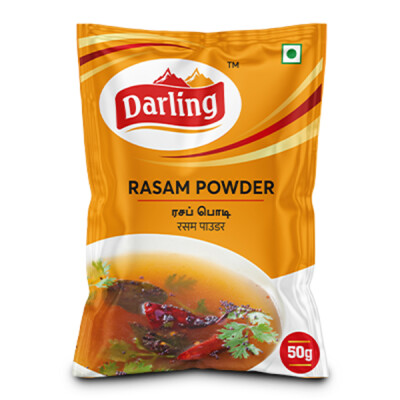
- Lightly crush tomatoes by hand or blend briefly, then mix with tamarind water, salt, and a spoon of Darling Rasam Powder.
- Bring this mixture to a gentle boil and then lower the heat.
- Temper mustard seeds, cumin, crushed garlic (if used), red chillies, and curry leaves in ghee.
- Pour the tempering over the rasam, add chopped coriander, and switch off the flame just before it reaches a rolling boil.
3. Semiya Payasam with Darling Semiya Payasam Mix
On a festival day, there is often not enough time to slow-roast vermicelli and check sugar levels repeatedly. A ready payasam mix keeps the taste close to traditional while reducing worry.
Simple Approach:
- Boil milk in a thick-bottomed vessel.
- Add Darling Semiya Payasam Mix and cook on low heat, stirring often until the vermicelli is soft and the milk has thickened.
- Adjust the sweetness if needed with sugar or jaggery syrup, keeping the payasam light and pourable.
- Finish with ghee-fried cashews and raisins and a pinch of extra cardamom powder if you prefer a stronger aroma.
How Darling Masala Helps Preserve Tradition and Trust
Many families still keep handwritten recipes for sambar podi, rasam podi, and kulambu masala. At the same time, not everyone has the time or space to buy whole spices, roast each batch separately, and grind them for every festival. Darling Masala tries to sit between those two realities. The idea is to choose whole spices from regions known for reliable quality, check them for safety, grind them using controlled methods, and pack them in airtight pouches so that the colour, aroma, and flavour stay close to what you would expect from a home kitchen.
For South Indian festive cooking, this matters because:
- You can plan larger menus with less stress about grinding fresh masala in the middle of the night.
- The taste of your “Indian festive recipes” stays consistent from one year to the next, which helps with family expectations and guest experience.
- You still have room to add your own touches, such as extra pepper in Pongal or more hing in the mixture, while leaning on a trusted base blend.
Summing Up
Spices in Indian festive cooking are not only about heat or colour. They are small, precise tools that hold together faith, family stories, regional identity, and health in a single meal. When you choose and use them with care, even a simple pongal-sambar-payasam spread can feel like a complete celebration. For South Indian homes, especially in and around Chennai, brands like Darling Masala can act as a quiet partner in that work, providing reliable sambar powder, rasam powder, kulambu chilli powder, and payasam mixes so that you can focus on the parts that only you can give your festival: the stories, the guests, and the time spent at the table.
FAQs
1. Which spices are essential for South Indian festive cooking?
Most South Indian festive menus rely on mustard seeds, cumin, coriander, dried red chillies, black pepper, curry leaves, hing, and turmeric for savoury dishes, and cardamom, cloves, cinnamon, and nutmeg for sweets and payasam. Coconut, ginger, and fresh herbs also play important roles, but the spices listed above shape the overall flavour profile.
2. Why do festival menus often feel heavy, and how do spices help?
Festival menus involve fried snacks, rich sweets, and more ghee than usual. This can slow digestion and leave people feeling sluggish. Spices such as cumin, ginger, pepper, hing, and ajwain are traditionally used in Indian cooking to support enzyme activity, reduce gas, and improve gut comfort, which is why you see them in rasam, vadai, mixture, and even after-meal spice mixes.
3. Are ready-made masalas suitable for traditional festivals?
They can be, provided the brand uses whole spices of good quality, keeps the blends close to regional taste, and avoids unnecessary fillers. Darling Masala, for example, focuses on blended and pure spice powders used daily in South Indian cooking, with a motto of maintaining quality through careful sourcing and hygienic grinding and packing.
4. How can I build an Indian festive menu that feels South Indian and is still manageable?
Begin with a small set of core dishes that use similar spice bases. For example, ven pongal, sambar, a vegetable poriyal, and rasam can share tempering ingredients and sambar or rasam powder. Add one payasam and one or two simple fried snacks such as bajji or vadai, using a mix if you like. Over time, you can expand into special kuzhambu, more varieties of sundal, and elaborate sweets, without changing the base spices too much.