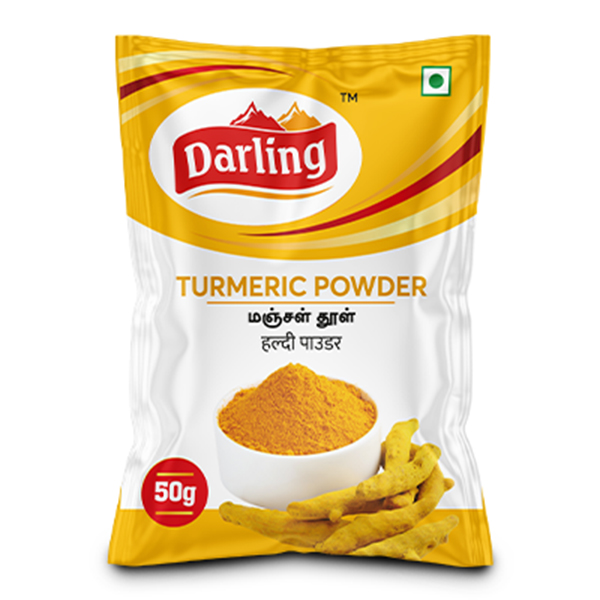
 Pure Spices
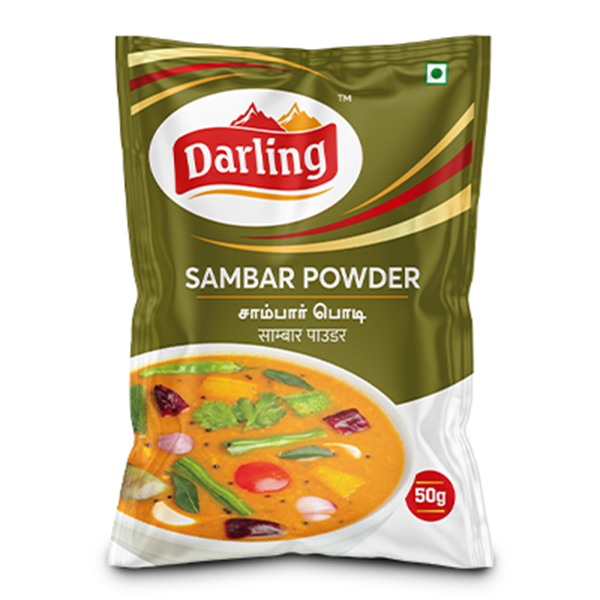 Blended Spices
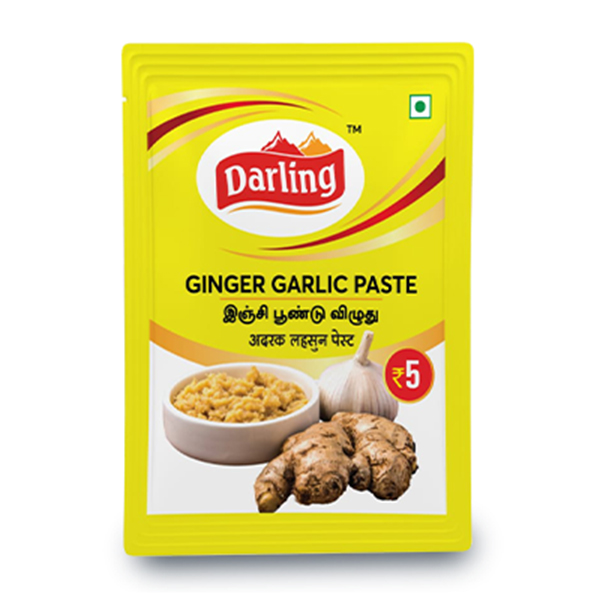 Ginger Garlic Paste
 Meal Mix
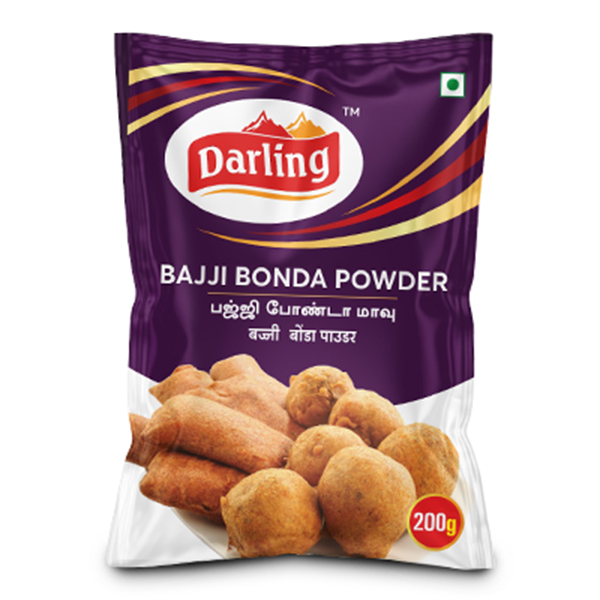 Ready Mix
 Pickles
 Asafoetida Powder
 Flour
Flour
 Appalam
 Mixed Jam








In this blog, you will find:
- A clear look at the Darling Masala pantry you can build at home
- Ten quick recipe ideas written for South Indian tastes
- A mix of tiffin, everyday gravies, rice dishes, snacks, and non-vegetarian specials
- Practical tips that keep your masalas fresh and your cooking consistent
Use it as a starting point. Once these combinations feel familiar, you can begin to swap vegetables, grains, and proteins to suit your own table.
Let’s Begin
There is a particular kind of comfort that only an Indian kitchen knows. Rice humming in the cooker, a small kadai on the side for tempering, and that first burst of spice when the oil meets the masala. On busy days, you want all of that feeling with half the effort. That is exactly where a good masala blend earns its place.
This blog keeps things simple. You will see how to turn the products you already have into quick meals that still taste like they took all afternoon. By the time you reach the end, you should have at least a week’s worth of recipes you will genuinely want to try.
Everyday Recipes You Will Want to Cook Straight Away
All the recipes below are written for a family of four. Measure spices with a level spoon for best results, and adjust gently to suit your home’s taste.
1. Lunchbox Tamarind Rice with Tamarind Rice Powder
This is the sort of dish that disappears quietly from the tiffin without any fuss. It travels well and tastes even better a little later in the day.
You will need:
- 3 cups cooked rice, cooled and grainy
- 3–4 tablespoons Darling Tamarind Rice Powder
- 2 tablespoons groundnut or gingelly oil
- 2 tablespoons roasted peanuts or cashew nuts
- 1 teaspoon mustard seeds
- 1 teaspoon chana dal and 1 teaspoon urad dal
- A few curry leaves
Method:
- In a wide pan, heat the oil. Add mustard seeds, chana dal, urad dal, and curry leaves. Fry until the dals turn golden.
- Stir in the nuts and toast briefly.
- Lower the heat. Add Tamarind Rice Powder and mix quickly so it blooms in the oil without burning.
- Tip in the cooled rice and mix gently until every grain is coated. Taste and adjust powder or salt if needed.
- Pack this with curd, a small vegetable stir-fry, or just a piece of fried appalam. The fragrance alone will make you want to cook it again.
2. Sunny Lemon Rice with Lemon Rice Powder
On mornings when you need a bright, quick dish before the school or office rush, lemon rice feels like the right answer. The ready powder keeps the flavor balanced every time.
You will need:
- 3 cups cooked rice, cooled
- 3 tablespoons Darling Lemon Rice Powder
- Juice of 1 small lemon (adjust to taste)
- 2 tablespoons oil
- 1 teaspoon mustard seeds
- 1 teaspoon chana dal
- 1 green chilli, slit
- A few curry leaves
Method:
- Heat oil in a pan. Add mustard seeds, chana dal, green chilli, and curry leaves. Fry until the dal turns light brown.
- Turn the heat low. Add Lemon Rice Powder and mix once.
- Add the rice and combine gently. Switch off the heat and squeeze in the lemon juice.
- Toss lightly, taste, and adjust lemon or powder.
- Serve with coconut chutney or a simple potato roast. The color and aroma make this feel cheerful even on a busy weekday.
3. Tiffin Sambar with Sambar Powder
Idlis and dosa are only as good as the sambar beside them. This version keeps the steps simple and uses Sambar Powder to handle the spice work.
You will need:
- ½ cup toor dal, rinsed
- 2 cups mixed vegetables (carrot, beans, pumpkin, drumstick)
- 1 onion, sliced or a handful of small onions
- 1 tomato, chopped
- 1½ tablespoons Darling Sambar Powder
- A small lemon-sized ball of tamarind
- ¼ teaspoon Darling Turmeric Powder
- Salt as needed
- 2 teaspoons oil or ghee
- ½ teaspoon mustard seeds, a pinch of asafoetida, a few curry leaves
Method:
- Pressure cook the dal with vegetables, onion, tomato, turmeric, and two and a half cups of water for three to four whistles. Let the pressure drop.
- Mash the cooked dal and vegetables lightly.
- Extract tamarind pulp with a cup of water and add it to the cooker.
- Stir in Sambar Powder and salt. Bring the sambar to a gentle boil for five to eight minutes so the raw taste disappears.
- In a small pan, heat oil or ghee. Add mustard seeds, asafoetida, and curry leaves. When they splutter, pour this over the sambar.
- Soft idlis, a ladle of this sambar, and a spoon of ghee will make you look forward to breakfast even on a rushed morning.
4. Everyday Tomato Rasam with Rasam Powder
A good rasam can rescue a tired evening. With a dependable Rasam Powder, you will find yourself making it more often.
You will need:
- 2 ripe tomatoes, chopped
- 2 tablespoons tamarind pulp
- 1½ teaspoons Darling Rasam Powder
- ¼ teaspoon Darling Turmeric Powder
- A pinch of asafoetida
- Salt and freshly crushed Darling Black Pepper Powder to taste
- 2 teaspoons ghee or oil
- ½ teaspoon mustard seeds, ½ teaspoon cumin seeds
- 2 cloves garlic, lightly crushed (optional)
- Curry leaves and coriander leaves
Method:
- Simmer tomatoes, tamarind pulp, turmeric, and asafoetida with one and a half cups of water until the tomatoes soften.
- Mash them gently, then add Rasam Powder, salt, and more water to reach a light, soupy consistency.
- Bring it just to the point of frothing. Avoid hard boiling.
- In a small pan, heat ghee or oil. Add mustard seeds, cumin, garlic, and curry leaves. When they crackle, pour them into the rasam.
- Finish with crushed pepper and coriander leaves.
- Serve over hot rice with a vegetable poriyal, or pour into small cups and sip. It is simple, but it rarely fails to lift the mood.
5. One-Pot Village-Style Kulambu with Kulambu Chilli Powder
This kulambu is friendly to whatever you have in the fridge, from brinjal and drumstick to boiled eggs. The Kulambu Chilli Powder brings depth without long roasting and grinding.
You will need:
- 1½ cups mixed vegetables or boiled eggs
- A small ball of tamarind
- 2 tablespoons Darling Kulambu Chilli Powder
- ¼ teaspoon Darling Turmeric Powder
- Salt to taste
- 3 tablespoons oil
- ½ teaspoon mustard seeds, ½ teaspoon fenugreek seeds
- 1 dried red chilli, a few curry leaves
- 10 small onions or 1 large onion, sliced
- 2 tablespoons grated coconut or ¼ cup coconut milk, optional
Method:
- Extract tamarind pulp with about two cups of water.
- Heat oil in a wide pan. Add mustard seeds, fenugreek, dried chilli, and curry leaves.
- Add onions and sauté until soft and lightly browned.
- Add the vegetables or eggs and stir for a minute.
- Sprinkle Turmeric Powder, Kulambu Chilli Powder, and salt. Mix quickly on low heat.
- Pour in tamarind water. Simmer until the vegetables cook and the oil rises on top.
- Stir in the coconut towards the end if using, and give it a brief boil.
- Pair this with plain rice and a simple stir-fry. You will have the feeling of a full traditional meal without much effort.
6. Idli Podi Drizzle with Idli Chilli Powder
This hardly counts as a “recipe,” yet it often becomes the most loved item on the plate.
You will need:
- Soft idlis or ghee roast dosas
- 3 tablespoons Darling Idli Chilli Powder
- 3–4 tablespoons gingelly oil or melted ghee
Method:
- In a small bowl, mix Idli Chilli Powder with enough oil or ghee to form a loose paste.
- Place steaming idlis or crisp dosa pieces on a plate.
- Spoon the podi mixture over and let it soak in for a moment before eating.
- You can also sprinkle the dry powder over curd rice, roasted vegetables, or even buttered toast for a quick snack that tastes like home.
7. Rainy-Day Bajji Platter with Bajji Bonda Powder
When clouds gather, and someone puts on a filter coffee, bajji almost feels compulsory.
You will need:
- 1 cup Darling Bajji Bonda Powder
- ¾ cup water, approximately
- A pinch of baking soda, optional
- Sliced onion, potato, plantain, and whole green chillies
- Oil for deep frying
Method:
- In a bowl, whisk Bajji Bonda Powder with water to make a smooth, thick batter. It should coat the vegetables without running. Add a tiny pinch of baking soda if you like lighter bajjis.
- Heat oil in a kadai on medium heat.
- Dip the vegetable slices into the batter, let excess drip off, then slide gently into the hot oil.
- Fry until golden on both sides. Drain on kitchen paper.
- Serve with coconut chutney or plain ketchup. The first bite, when the crust cracks and the steam escapes, is usually enough to have everyone reaching for a second piece.
8. Week-Night Chicken 65 with Chicken 65 Masala
This version keeps the flavor close to the restaurant favorite, without a long list of ingredients.
You will need:
- 500 g boneless chicken, cut into small cubes
- 3 tablespoons Darling Chicken 65 Masala
- 2 tablespoons thick curd
- 1 tablespoon Darling Ginger Garlic Paste
- 1 tablespoon rice flour
- Salt if needed
- Oil for deep frying
- Curry leaves and green chillies for garnish
Method:
- In a bowl, combine Chicken 65 Masala, curd, Ginger Garlic Paste, rice flour, and a little salt if required.
- Add the chicken pieces and coat well. Rest for at least 20 minutes.
- Heat oil in a kadai. Fry the chicken in small batches until crisp and cooked through.
- In the last minute of frying, drop in a few curry leaves and slit green chillies for fragrance.
- Serve as a starter or as a side with lemon rice or sambar rice. The color and crunch make this a dish people ask for by name.
9. Homely Chicken Masala Gravy with Chicken Masala
For days when you want something more comforting than flashy, this is the sort of chicken curry that suits both rice and chapati.
You will need:
- 750 g chicken, bone-in pieces
- 2 onions, finely sliced
- 2 tomatoes, chopped
- 2 tablespoons Darling Ginger Garlic Paste
- 2½ tablespoons Darling Chicken Masala
- ¼ teaspoon Darling Turmeric Powder
- Salt to taste
- 3 tablespoons oil
- A few curry leaves and coriander leaves
Method:
- Heat oil in a thick pan. Add onions and sauté until deep golden. Take your time here.
- Add Ginger Garlic Paste and cook until the raw smell goes.
- Stir in tomatoes, Turmeric Powder, and salt. Cook until the tomatoes soften and the oil begins to separate.
- Add Chicken Masala, stir on low heat for a minute, then add the chicken pieces and coat well.
- Pour in enough water to just cover the chicken. Simmer, covered, until the meat is cooked and the gravy is thicker.
- Finish with curry leaves and coriander leaves.
This curry suits a Sunday lunch as much as a mid-week supper. Leftovers work well with dosa the next morning.
10. Fish Two Ways with Fish Fry Masala and Fish Curry Masala
With two different blends, you can serve both a crisp fry and a homely curry from the same fish.
For the fry:
- Firm fish slices
- 2–3 tablespoons Darling Fish Fry Masala
- 1 tablespoon oil
- Lemon juice and salt, if needed
Method:
Mix Fish Fry Masala with a little oil, lemon juice, and salt. Coat the fish slices and rest for fifteen minutes.
Shallow fry in a pan until cooked and browned on both sides.
For the curry:
- 500 g fish pieces
- 1 onion, 2 tomatoes
- 1 tablespoon Darling Ginger Garlic Paste
- 2 tablespoons Darling Fish Curry Masala
- Small ball of tamarind
- Turmeric, salt, curry leaves, and oil
Method:
- Make tamarind water and keep it ready.
- In a pot, fry onions, Ginger Garlic Paste, and tomatoes in oil until soft.
- Add Fish Curry Masala, turmeric, and salt. Stir briefly, then pour in tamarind water.
- Once it boils, slide in the fish pieces and cook gently until done.
Serve fried and curry together with hot rice. The combination feels like a proper coastal meal, even if you cooked it in a small city kitchen.
Matching Recipes To Pure Spices and Other Blends
As you cook more often with Darling Masala, you will begin to notice small ways to use the rest of the range. A few ideas:
- Add a pinch of Cumin Powder and Coriander Powder to any vegetable curry that tastes flat.
- Replace part of your regular chili with Kashmiri Chilli Powder when you want a rich color without too much heat.
- Finish North-style gravies or pulao with a light sprinkle of Garam Masala right at the end.
- Use Mutton Masala in place of plain chili and coriander when you make mushroom, soya chunk, or paneer gravies for a deeper taste.
- Stir a spoon of Sukku Malli Coffee Powder into hot water with jaggery for a soothing drink after a heavy meal.
These small choices slowly build a sense of control over flavor. That is where everyday cooking starts to feel enjoyable rather than tiring.
Keeping Your Masalas Fresh and Dependable
A strong recipe still needs good spice. A few habits will help your powders stay lively:
- Transfer packets to clean, dry, airtight jars once opened.
- Store them away from direct sunlight.
- Always use a dry spoon.
Your Darling Masala Pantry for Everyday Cooking
Before we start cooking, it helps to know what is sitting on your shelf. Here is how to think about each product group.
- Pure Spices – These powders are your base notes and finishing touches.
- Cumin Powder – Warm, earthy flavor. Ideal in tempering for rasam, kurma, gravies, and North-meets-South dishes.
- Coriander Powder – Gentle and slightly citrus. Builds the body in almost every curry and kulambu.
- Kashmiri Chilli Powder – Bright color with softer heat. Use when you want a rich red gravy without making it too fiery.
- Turmeric Powder – The quiet backbone of most dals and gravies. A small pinch is enough.
- Chilli Powder – Everyday heat for poriyal, fry items, and robust gravies.
- Black Pepper Powder – Essential for milagu rasam, egg pepper fry, and finishing touches on chicken and mutton dishes.
- Blended Spices – These are where your speed comes from. Each one carries a ready-made balance of flavor.
- Curry Masala – All-round blend for simple gravies when you are not following a strict regional style.
- Idli Chilli Powder – Classic gunpowder for idli and dosa. Also useful as a spice rub for vegetables.
- Rasam Powder – Light and sharp. Built for clear, comforting rasam.
- Sambar Powder – For tiffin sambar, one-pot sambar rice, and hearty vegetable gravies.
- Kulambu Chilli Powder – For tamarind-based kulambu with depth and color.
- Biriyani Masala – For layered rice dishes, one-pot biriyani, and even flavored rice on rushed days.
- Mutton Masala – Tuned for slow-simmered mutton curries and chukka-style dishes.
- Fish Curry Masala – For coastal-style gravies that balance tamarind, spice, and the flavor of the fish.
- Fish Fry Masala – A ready marinade for shallow or deep-fried fish slices.
- Chicken Masala – For homely chicken gravies that work with both rice and flatbreads.
- Chicken 65 Masala – For crisp, bright red starters with that familiar hotel taste.
- Garam Masala – Finishing spice for North-leaning dishes, festive pulao, or anything that needs a round, warm aroma.
- Ginger Garlic Paste – The quiet worker inside almost every non-vegetarian curry. It also lifts simple vegetable gravies and sambar when you want something more special.
- Meal and Ready Mixes – These take you from plain rice or hot water to something satisfying in minutes.
- Tamarind Rice Powder – For puli sadam, tiffin boxes, and travel food that keeps well.
- Lemon Rice Powder – For bright, nutty chitranna-style rice with almost no chopping.
- Sukku Malli Coffee Powder – Warming, spiced drink to settle the stomach after a heavy meal or on cold, rainy evenings.
- Bajji Bonda Powder – For instant bajji batter that fries up crisp and light.
With that set in place, we can move to recipes that make real use of these jars and packets.
Quick Questions South Indian Home Cooks Often Ask
- Are these recipes suitable for beginners?
Yes. Each recipe follows a clear, repeatable pattern. Read through once, keep ingredients ready, and move the first time. After one or two attempts, you will find that the timings become natural. - Can I make vegetarian and non-vegetarian versions with the same blend?
Often, yes. Chicken Masala, Mutton Masala, and Fish Curry Masala work well with robust vegetables such as mushrooms, potatoes, raw bananas, and paneer. Adjust cooking time, and you will still have a satisfying gravy. - What if my family prefers milder food?
Start with slightly less powder than the recipe suggests, then build up slowly. You can always add a little more to the pan and simmer for a few minutes. You cannot easily undo extra heat. Kashmiri Chilli Powder is very helpful when you want color without strong spice. - How do I plan a fast South Indian meal with these recipes?
On a weekday, pick one main dish such as tamarind rice, sambar, or chicken masala, and one quick side like bajji or a stir fry. Add curd and pickle. On a quieter day, add Rasam and a small sweet or fruit to finish.