


Hing for Digestion: How to Use It Correctly in Indian Food
Darling MasalaDarling Masala has spent years refining compound asafoetida formulations for everyday South Indian kitchens, where its traditional role in aiding digestion is as important as its flavour contribution.
- Hing has traditionally been paired with lentils and beans to ease bloating.
- It needs to be added to hot oil at the start of tempering to be effective.
- Stale or poorly stored hing loses potency over time.
- A pinch is enough; more isn't better.
Introduction
Long before hing became known simply as a flavour enhancer, it held a very specific place in Indian kitchens as a digestive aid, added not for taste alone but out of necessity. Grandmothers added it to lentils because dals and beans were known to cause bloating, and hing was the traditional fix passed down quietly through generations of home cooking, rarely explained but always used. That practice has survived for a good reason, even as many of us have forgotten exactly why we do it. Understanding how hing supports digestion, and more importantly, using it the correct way, can make a real difference to how comfortable a meal feels afterward. This guide breaks down exactly how to get it right.
Why Hing Is Traditionally Paired with Lentils and Beans
Lentils, beans, and legumes contain compounds that can be harder to break down, often leading to gas and bloating. Hing is traditionally added specifically to dishes built around these ingredients.
The Right Way to Add Hing for Digestive Benefit
- Add it to hot oil or ghee first, so its compounds activate with heat.
- Use it consistently in every dal, sambar, or bean-based curry.
- Keep the quantity small; a pinch is genuinely enough.
Did You Know?
In many parts of India, a pinch of hing dissolved in warm water was traditionally given as a simple home remedy for stomach discomfort, long before it became a standard cooking ingredient.
Common Mistakes That Reduce Hing's Effectiveness
- Adding it after the dish has finished cooking.
- Using old, stale hing that has lost its potency.
- Skipping it in bean-heavy dishes that benefit most from it.
Storing Hing Properly
Hing should be kept in an airtight container, away from moisture and direct sunlight, since exposure to air causes it to lose both aroma and effectiveness.
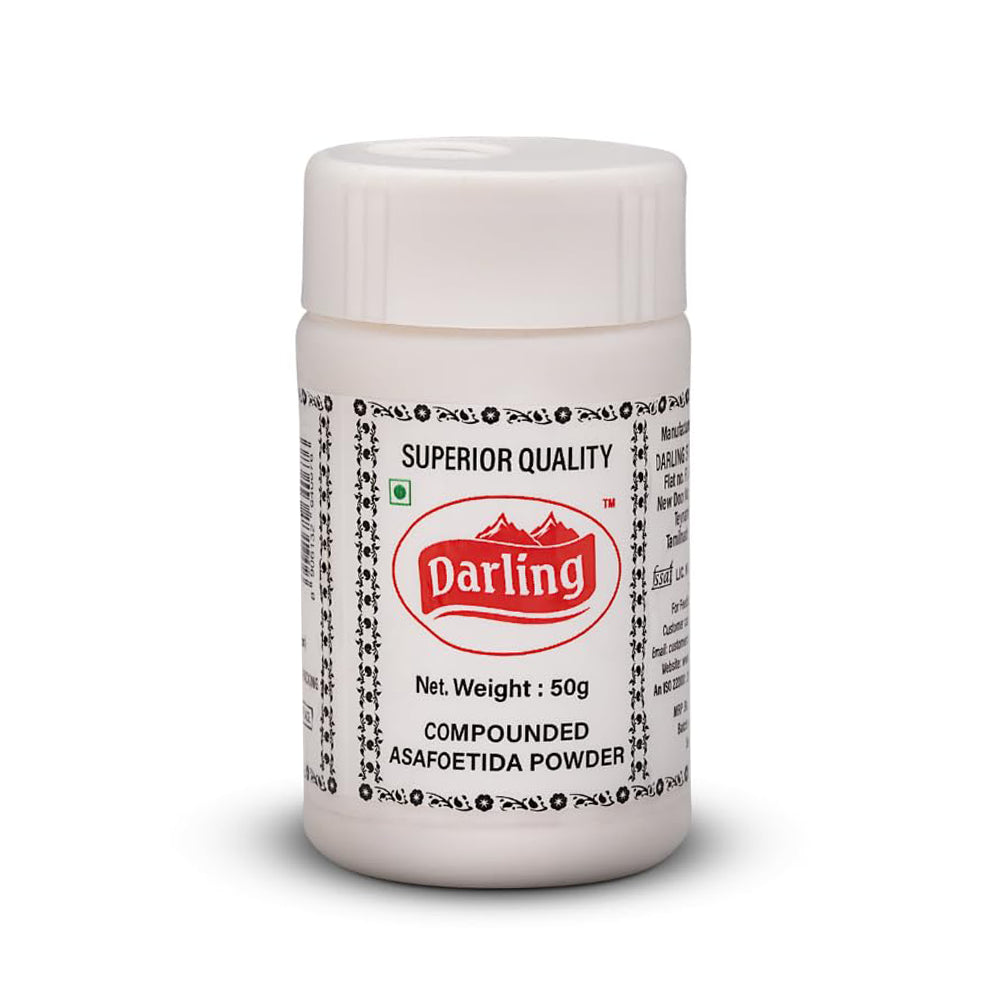
Did you know hing was traditionally used as a digestive aid!
Packaged to Protect What Makes It Work
Hing loses potency quickly once exposed to air and moisture, which is why Darling Masala seals its Compound Asafoetida to preserve freshness from the moment it's packed to the moment it's opened at home. This isn't a side ingredient to us, it goes through the same handpicking, cleaning, and precision grinding process as the rest of our range. We offer it in both block and powder form, so it can be used the way different households prefer. Getting the traditional digestive benefit of hing depends on using it consistently and correctly, and that starts with a product that hasn't already lost its strength on the shelf.
Conclusion
Hing's place in Indian cooking was never accidental. It solved a real, everyday problem long before anyone called it a "digestive aid" in writing. Used correctly, in hot oil, in the right dishes, and in the right quantity, it continues to do exactly what it always has.
FAQs
1. Does hing actually help with digestion?
Hing has traditionally been used in Indian cooking to ease bloating and discomfort associated with lentils and beans, particularly when added to hot oil during cooking.
2. Which dishes benefit most from hing?
Dal, sambar, rajma, chana, and other lentil or bean-based dishes benefit the most, since these are the foods traditionally associated with digestive discomfort.
3. What's the correct way to add hing to a dish?
Add it to hot oil or ghee at the start of tempering, alongside spices like cumin or mustard seeds, rather than sprinkling it in after cooking.
4. How much hing should be used per dish?
A small pinch is usually sufficient for a dish serving four to six people; using too much can overpower the flavour.
5. Why does hing lose its effectiveness over time?
Exposure to air, moisture, and sunlight causes hing to lose potency, which is why airtight storage matters.
6. Is compound asafoetida as effective as pure hing resin for digestion?
Yes, compound asafoetida retains the same traditional digestive role while being easier to measure consistently in home cooking.
7. Can hing be used every day in cooking?
Yes, it's traditionally used as a regular ingredient in daily lentil and bean-based dishes rather than an occasional addition.
8. Should hing be avoided by anyone specifically?
People with known spice sensitivities or specific dietary restrictions should use it in moderation and consult a doctor if they have concerns about any ingredient in their diet.
9. Does the form of hing (powder vs resin) affect how it's used for digestion?
Yes, powdered compound asafoetida is milder and easier to dose consistently, while the resin form is far more concentrated and needs to be used far more sparingly.
10. Can hing be combined with other digestive spices like cumin or ajwain?
Yes, hing is often used alongside cumin, ajwain, or ginger in traditional tempering, and together they complement each other's digestive properties.
